


Colourblindness is often framed purely in terms of limitation, yet many people with colour vision deficiency describe a unique relationship with colour that challenges conventional aesthetics. Without strict adherence to traditional colour rules, unexpected combinations can emerge — sometimes resulting in creative, distinctive outcomes.
In fashion, colourblind individuals may rely more on texture, contrast and form than colour harmony. This can lead to combinations others might overlook, creating personal style that feels original rather than formulaic. What is sometimes labelled a “mismatch” may instead reflect a different visual logic.
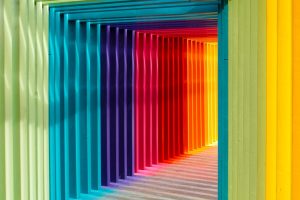
In art and design, colourblind creators often approach work intuitively, focusing on balance, spacing and emotional impact rather than precise colour accuracy. Many develop a heightened sensitivity to tone, brightness and structure, demonstrating that colour is only one component of visual expression.
Even in everyday life, colourblind perspectives can disrupt rigid expectations. Pairings that defy traditional colour theory can feel fresh, expressive or emotionally resonant. These moments remind us that aesthetic standards are culturally constructed rather than absolute.
There is also value in how colourblind individuals question assumptions. When colour is not taken for granted, people are more likely to ask, verify and engage consciously with their environment. This awareness can foster collaboration, conversation and inclusion.
Recognising the creative potential within colour vision difference does not mean dismissing the real challenges that exist. Instead, it encourages a more balanced understanding — one that acknowledges both difficulty and diversity.
Exploring colour perception through professional assessment can help individuals better understand their own visual experience, whether they seek practical support, creative insight or both.
Try our iRo lens testing kits today, and click here to find your nearest colour vision optometrist.