


Grocery shopping is a routine task for most people, but for individuals with colour vision deficiency, it can present a surprising number of challenges. Many everyday decisions in supermarkets rely heavily on colour cues, often without alternative identifiers.

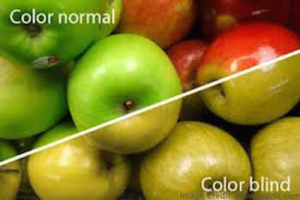
One common difficulty is identifying fresh produce. Ripeness is frequently judged by colour — bananas turning yellow, avocados darkening, meat changing tone — which can be unreliable or confusing for colourblind shoppers. Packaging labels may also use colour to indicate flavour, variety or nutritional differences, making similar products hard to distinguish.
Expiry labels pose another issue. Date stamps are sometimes printed in low-contrast colours or placed over patterned backgrounds, making them difficult to read. Similarly, discounted or clearance items are often marked using coloured stickers without accompanying text, leaving shoppers uncertain about pricing.
Product branding can further complicate navigation. Different varieties of the same product may be differentiated only by colour, such as sauces, cleaning products or snack packaging. This increases reliance on memorisation, assistance from others or time-consuming label checks.

Digital screens within supermarkets, including self-checkout interfaces and aisle signage, may also rely on colour-based prompts. When errors or warnings are indicated only through colour changes, important information can be missed.
These challenges can lead to frustration, slower shopping experiences and reduced independence. Many colourblind individuals develop coping strategies, such as shopping at familiar stores, using shopping lists with exact product names, or relying on smartphone apps. However, these workarounds place additional cognitive load on what should be a simple task.
Improved awareness and inclusive design can make a significant difference. Clear text labels, high contrast printing, symbols and consistent layouts benefit everyone, not just those with colour vision differences.
Professional colour vision assessment can also help individuals better understand their specific challenges and explore tools that may improve colour differentiation in real-world environments like supermarkets.
Try our iRo lens testing kits today, and click here to find your nearest colour vision optometrist.